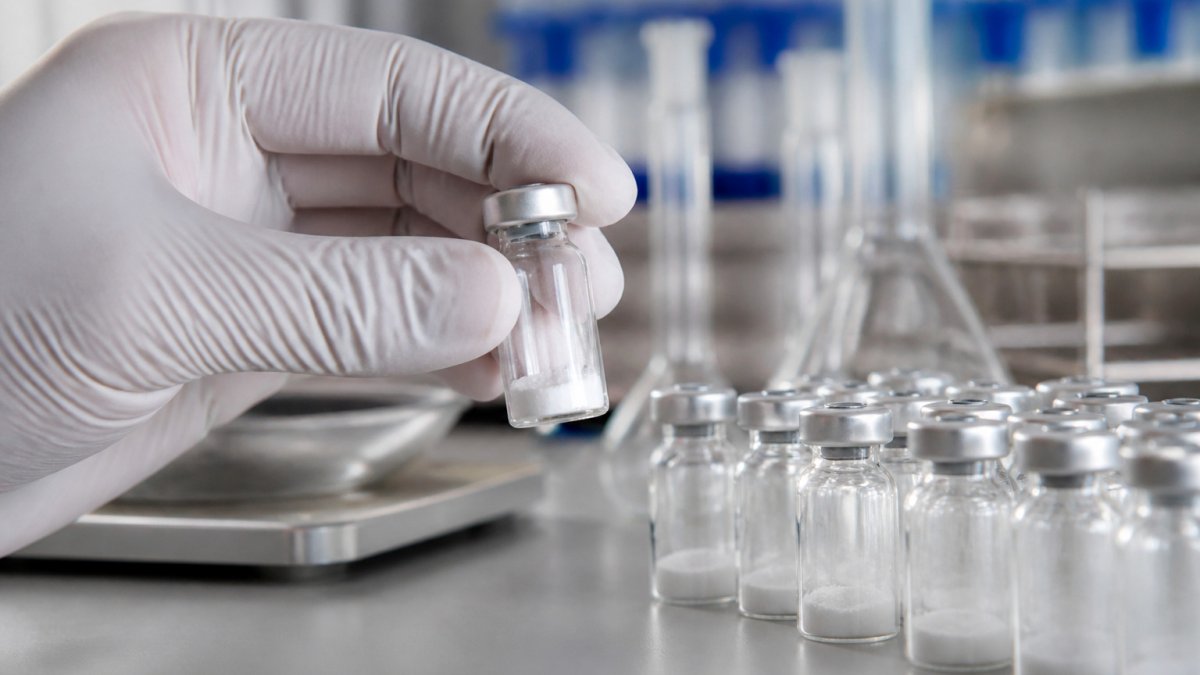
How Do You Identify Contaminated Peptide Compounds?
Peptide compounds can hide contaminants that quietly skew your results. Verify identity by comparing measured mass to expected mass using MALDI-TOF or ESI.
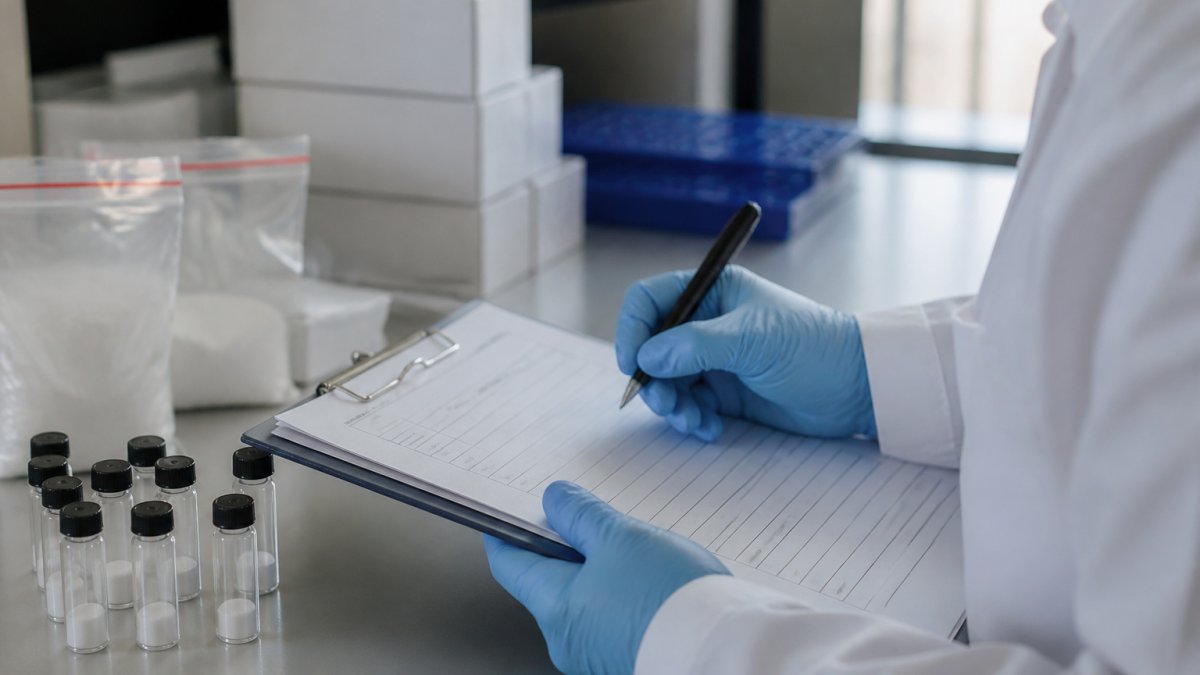
Why Peptide Batch Documentation Matters
Peptide batch documentation ensures research quality and reliability. Learn why batch records, COAs, and traceability are critical for your lab.
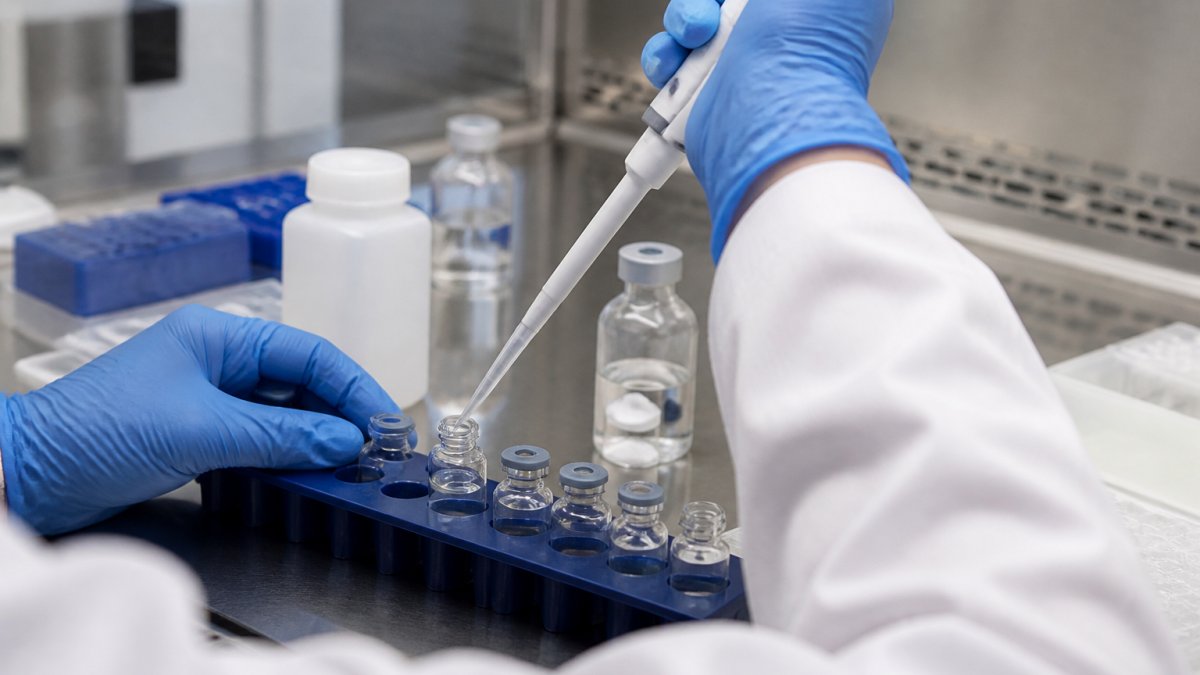
Endotoxin Testing in Synthetic Peptides: Why It Matters
Endotoxin testing in synthetic peptides protects research data and cell cultures. Learn assay methods, EU/mg limits, and how to read a COA.
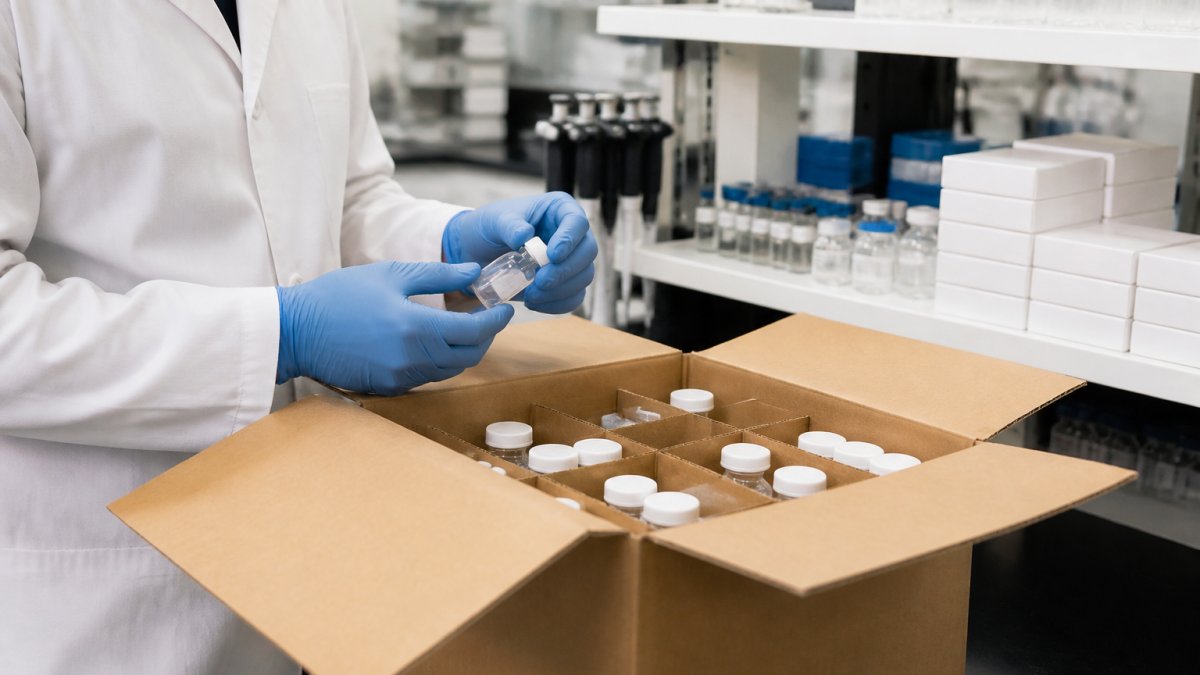
Cost-Benefit Analysis of Centralized Lab Procurement
Learn how to conduct a cost-benefit analysis of centralized lab procurement. Compare operational costs, savings, and ROI for research laboratories.
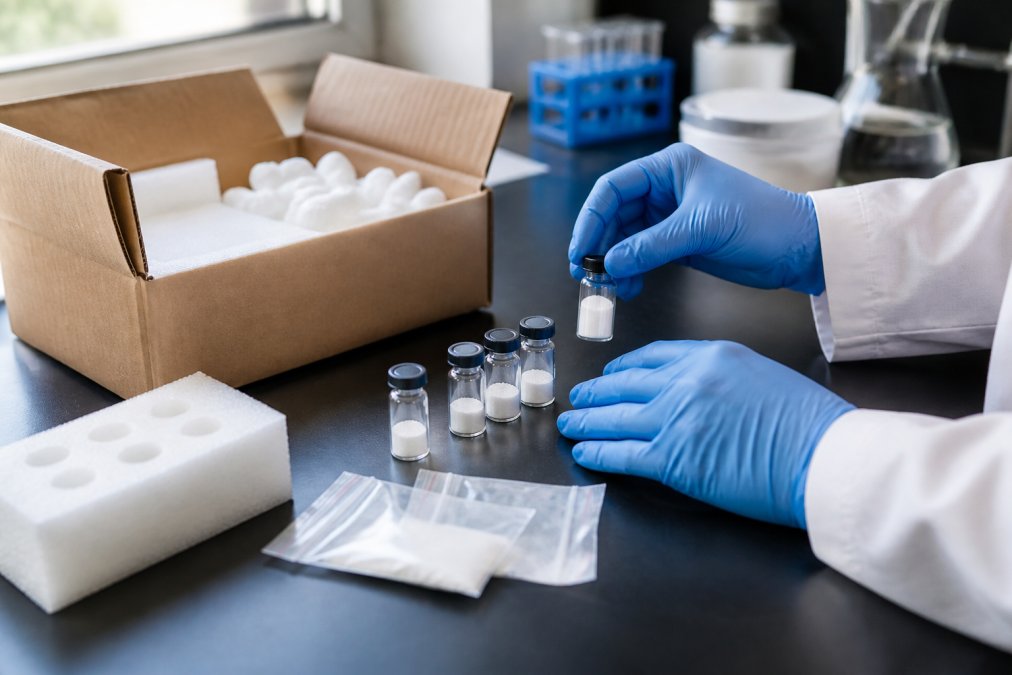
How to Order Small Quantities of Research Peptides
Order research peptides: Learn how to order small quantities of research peptides for your lab. Step-by-step guide covering sourcing, verification.
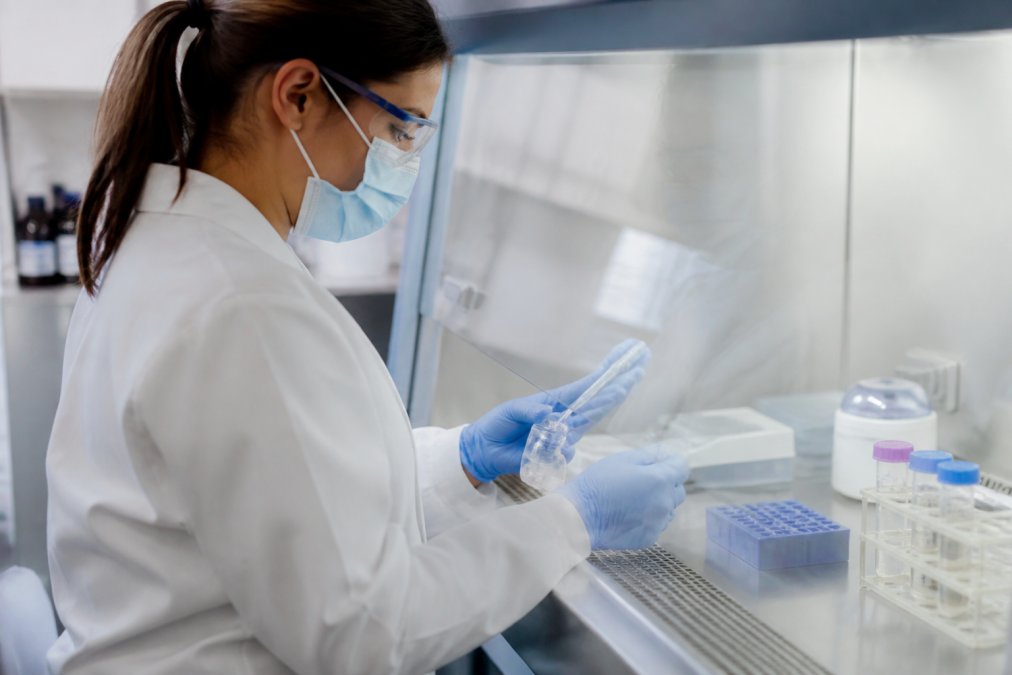
Identifying Peptide Contamination in Lab Studies
Learn how to identify peptide contamination in laboratory studies using HPLC testing, mass spec, and COA review. Get reliable, research-grade peptides.
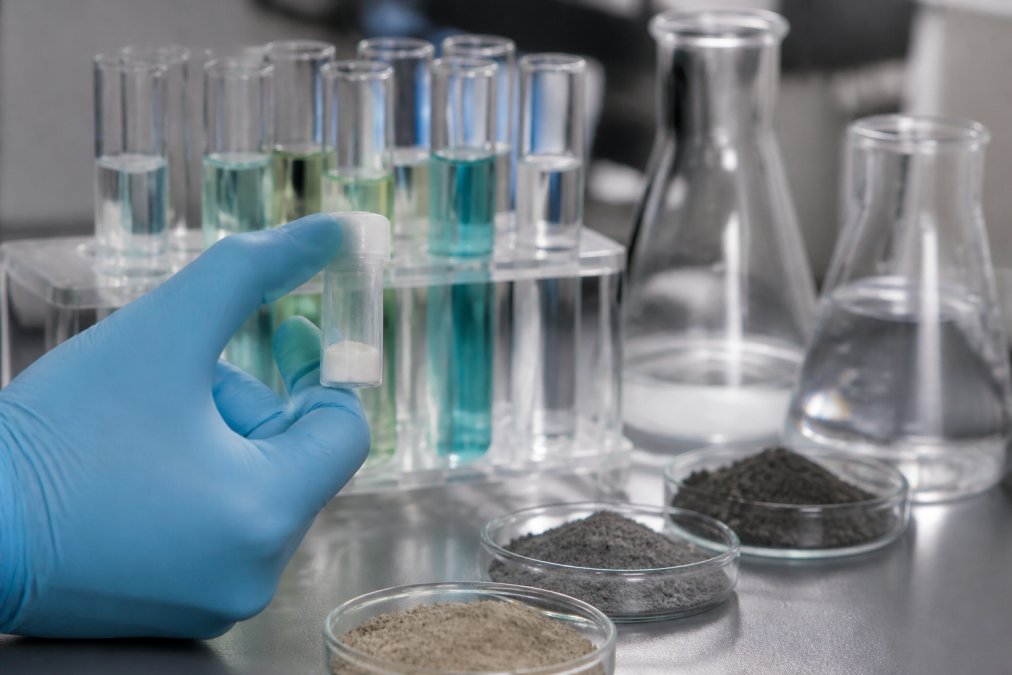
Identifying Heavy Metal Contamination in Peptides: 2026 Guide
Learn how to identify heavy metal contamination in peptides using ICP-MS analysis, USP <232> limits, and Certificate of Analysis interpretation. Start.
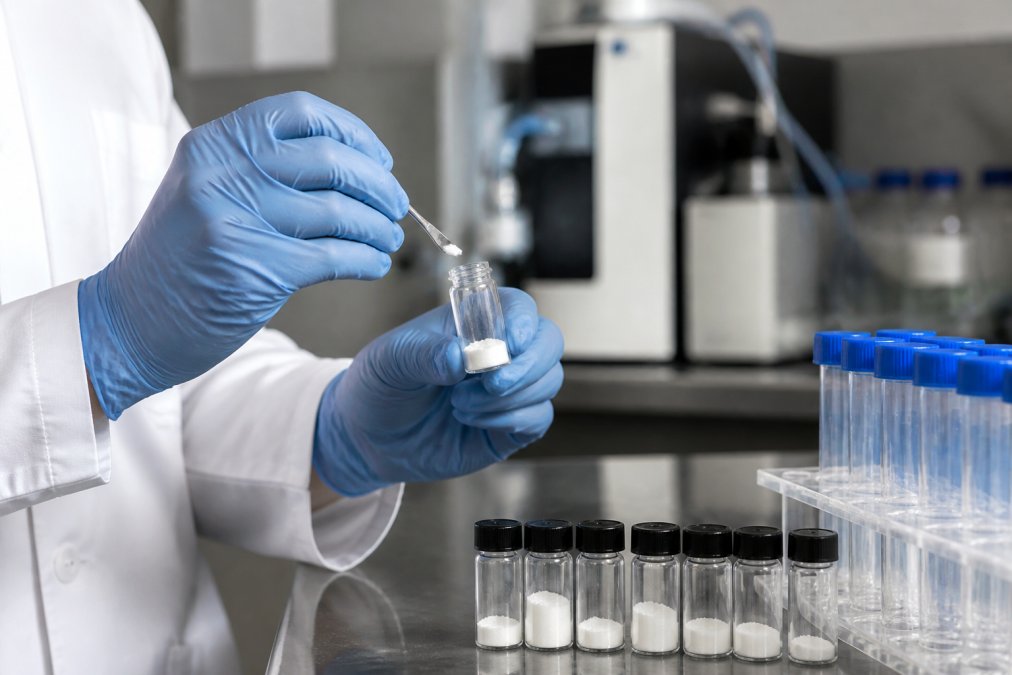
Minimizing Experimental Delays with Verified Peptides
Learn how verified peptides with full COA documentation prevent experimental delays, ensure batch consistency, and protect your research integrity. Get.
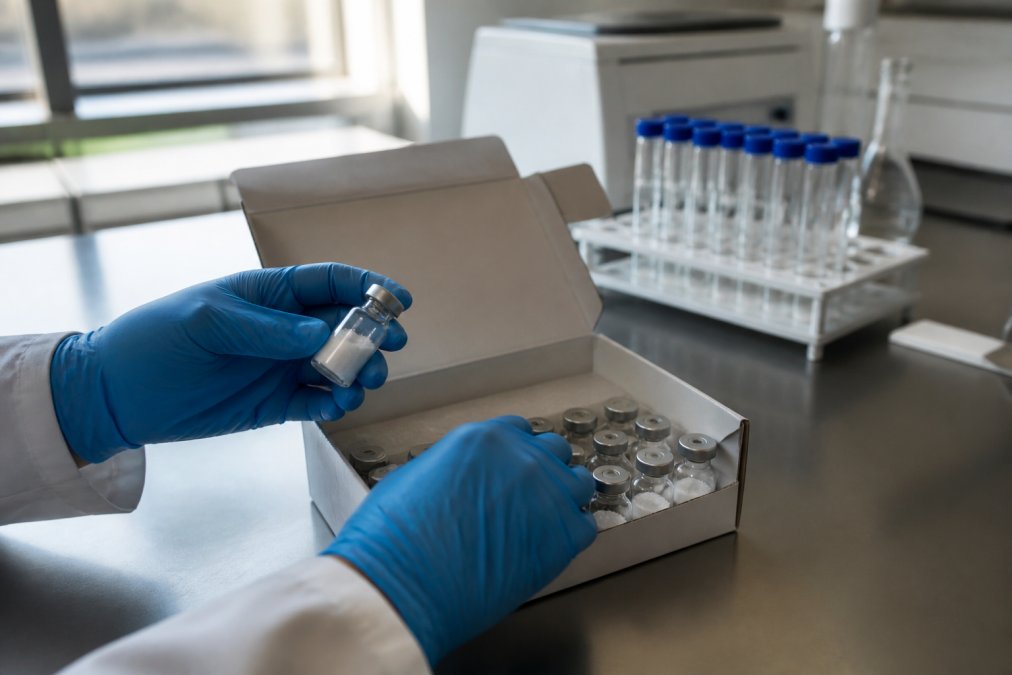
How to Order Custom Research Peptides
Order custom research peptides with verified ≥99% purity and full Certificate of Analysis. Learn the ordering process, quality standards, and what.
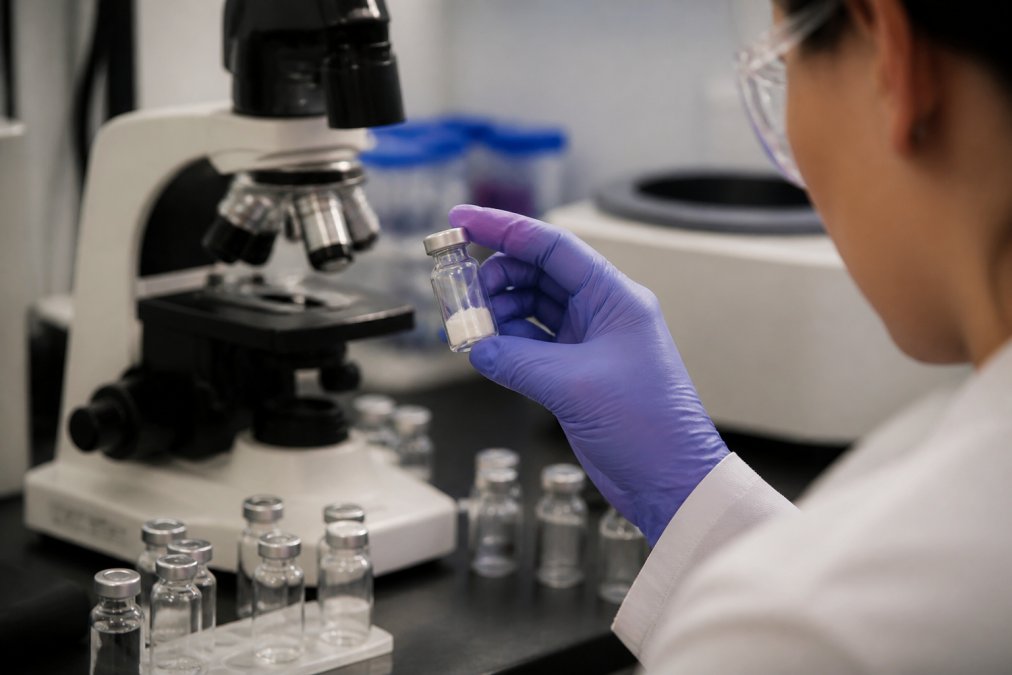
What Is Third Party Peptide Testing? A 2026 Guide
Learn what third party peptide testing is, how to read a COA, and why independent lab verification matters for research-grade compound quality.
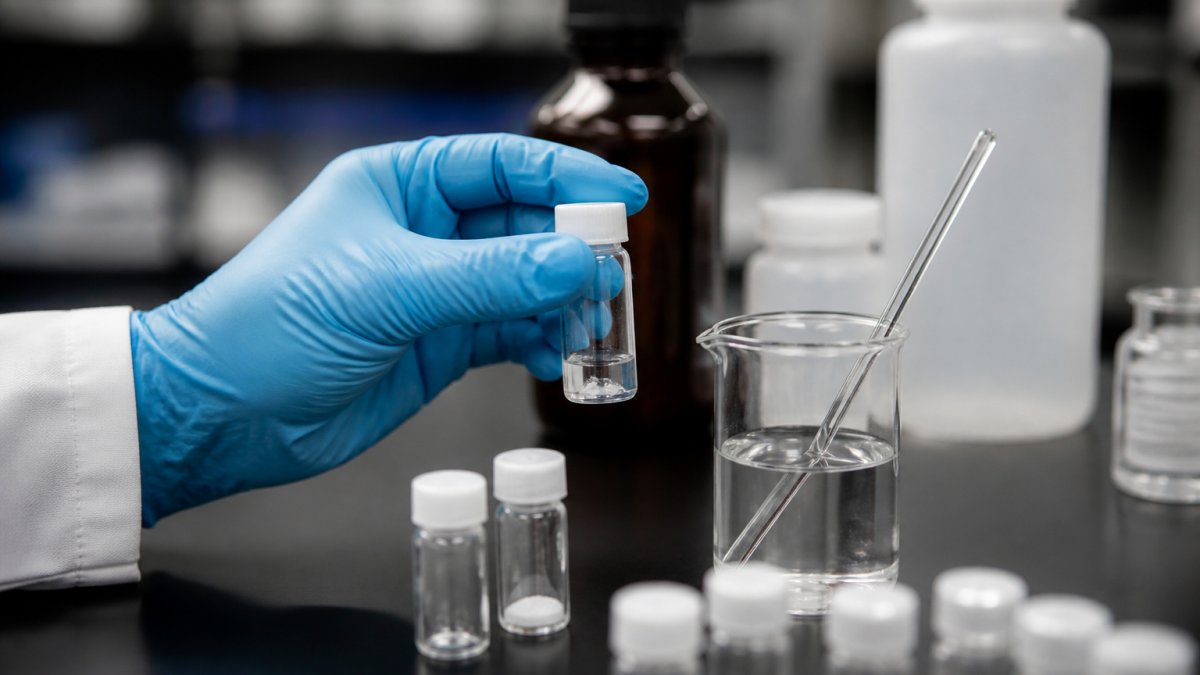
Troubleshoot Peptide Solubility in Aqueous Buffers
Troubleshoot peptide solubility in aqueous buffers with a step-by-step workflow. It covers sequence analysis, pH adjustment, and fixes for aggregation.
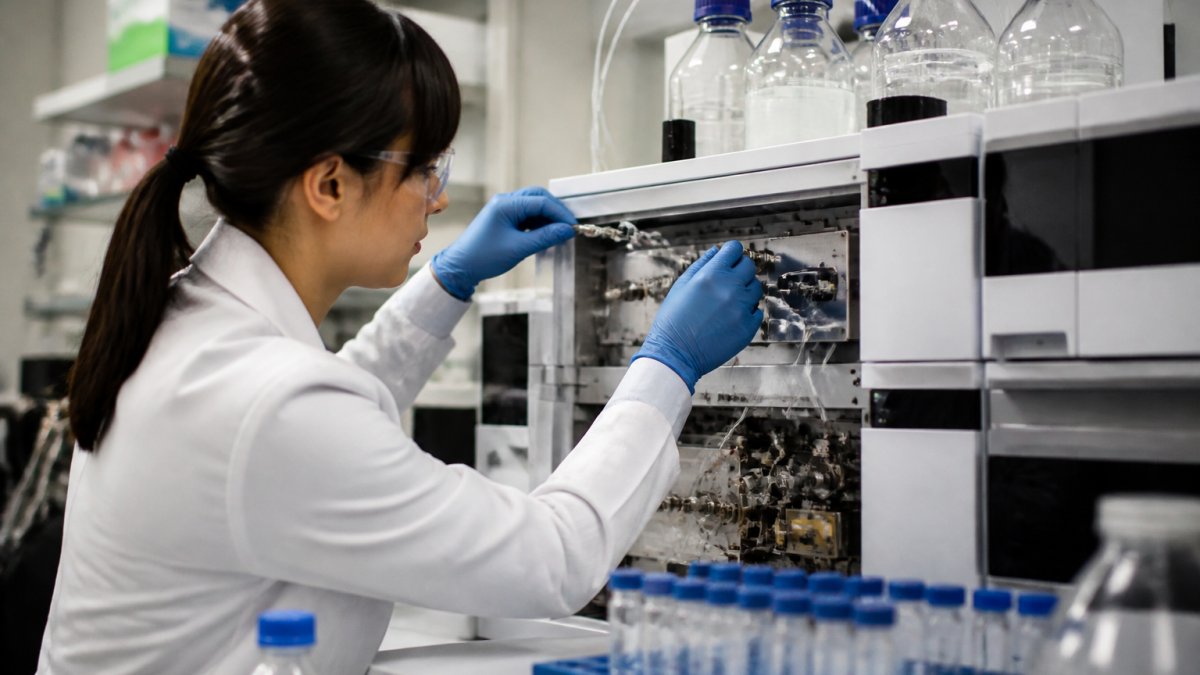
Peptide Chromatography Troubleshooting: 2026 Fixes
Fix common peptide chromatography problems: peak tailing, poor separation, high backpressure, and low recovery. Practical steps for cleaner HPLC results.