 blog
PureLab Peptides Alternatives for Biotech Labs
Last Updated: October 23, 2026
Quick Summary
Research peptide suppliers must provide verified purity with transparent testing, batch-specific documentation, and reliable sourcing to support serious research. The best research peptide suppliers deliver ≥99% HPLC purity confirmed by third-party testing, complete Certificate of Analysis for every batch, and clear methodology explanations.
- HPLC purity testing varies by methodology: single-wavelength versus multi-wavelength approaches and how related substances are measured affect what 99% purity actually means.
- Batch-specific Certificates of Analysis must include batch number, manufacture date, testing method, actual purity percentage with clear definition, and documented impurities.
- Third-party testing by accredited laboratories carries more credibility than in-house testing for regulatory submission and peer-reviewed publication.
- Inventory depth and fulfillment speed differ significantly: some suppliers stock compounds for immediate dispatch while others require weeks for custom synthesis.
- Switching suppliers involves one-time operational costs like protocol validation and workflow integration, but staying with poor suppliers creates hidden costs through incomplete documentation and delayed research.
Table of Contents
- What Biotech Labs Need From Research Peptide Suppliers
- How to Evaluate Research Peptide Purity Testing
- Understanding Peptide Certificate of Analysis Documentation
- Batch-Specific Peptide Testing: Why It Matters
- Key Differences Between Suppliers: Inventory, Speed, and Documentation
- Making the Switch: Cost, Minimum Orders, and Support
- Why Verification and Transparency Matter in Your Choice
- Frequently Asked Questions
What Biotech Labs Need From Research Peptide Suppliers
When your lab depends on research peptides, the supplier you choose determines everything downstream. The difference between a reliable supplier and a problematic one comes down to three things: verified purity with transparent testing, batch-specific documentation you can trust, and the ability to source compounds when you need them.
Most labs discover this the hard way: a batch arrives with incomplete certificates of analysis, your team wastes weeks tracking down missing data, and the study timeline slips. Or a supplier's "99% purity" claim lacks the third-party verification your protocol requires. These aren't minor inconveniences, they're research-killers.
At Globo Research Peptides, we've built our operation around solving these problems. Research peptide suppliers aren't interchangeable: your lab needs verified ≥99% HPLC purity, full Certificate of Analysis documentation for every batch, and responsiveness on special orders. The best research peptide suppliers deliver all three without compromise.
What separates a supplier that merely exists from one that enables your work is transparency. Can you trace exactly how they tested the product? Do they provide batch-specific documentation or generic templates? Will they source a specialized compound? These questions matter more than price alone.
How to Evaluate Research Peptide Purity Testing
Purity testing is where supplier claims either hold up or fall apart. The industry standard is HPLC (high-performance liquid chromatography), which separates peptide components and measures the percentage of your target compound. But not all HPLC testing is equal.
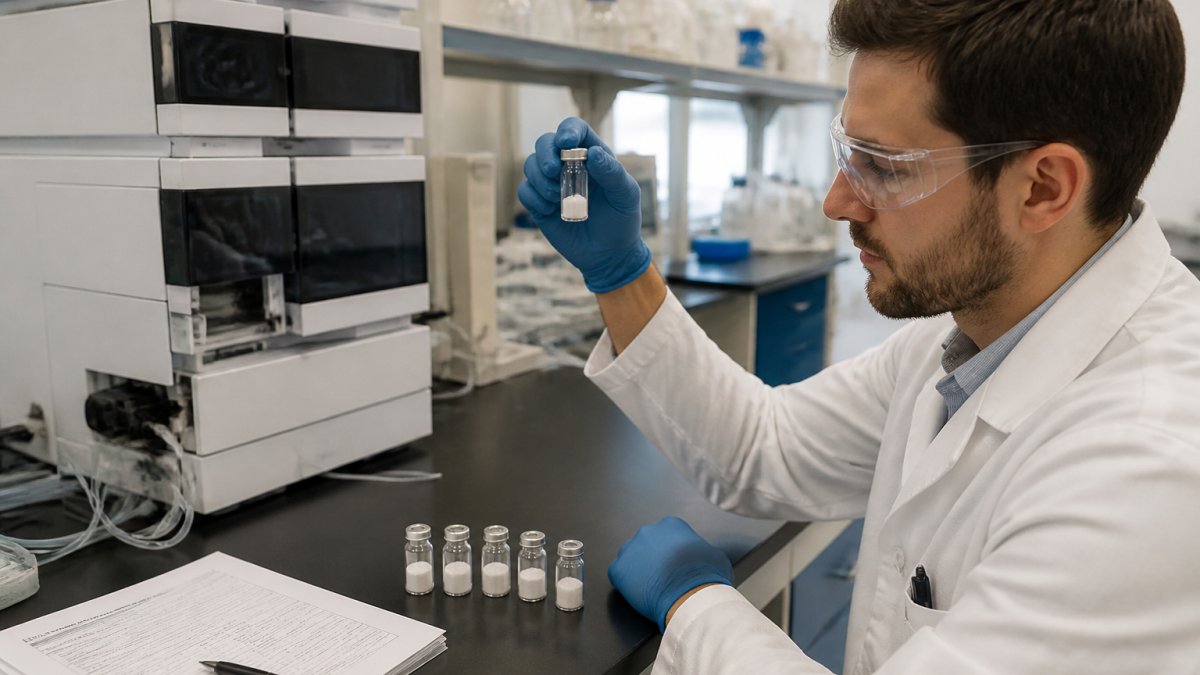
When evaluating a research peptide supplier, ask three questions about purity testing. Learn why purity matters and how it affects your research outcomes. First: who conducts the test? Second: what does the HPLC report show? Third: can they explain their methodology without marketing language?
A common mistake is assuming "99% purity" means the same thing across suppliers. It doesn't. One supplier might test at a single wavelength; another might use a more rigorous multi-wavelength approach.
The best research peptide suppliers publish their testing standards upfront, explaining their HPLC parameters and how their approach differs from competitors. Globo Research Peptides conducts rigorous third-party testing and provides the full analytical data, not just the bottom-line number.
Identity testing is another layer many labs overlook. Mass spectrometry (MS) or other identity confirmation methods verify that you actually received the peptide you ordered, not a similar compound with a comparable HPLC profile.
Understanding Peptide Certificate of Analysis Documentation
A Certificate of Analysis (COA) should tell you everything about the batch you're holding. In practice, many tell you almost nothing useful: some are generic templates with placeholder data, others are detailed reports nearly impossible to interpret without a chemistry background. The best strike a balance: comprehensive enough for rigorous research, clear enough for a lab manager to verify.
When evaluating a research peptide supplier's documentation, look for specific elements.
Many labs receive COAs lacking one or more of these elements. A certificate might say "purity: 99%" without explaining whether that's the main peak or the sum of related substances, reference a testing method without providing parameters, or omit the batch number entirely, making traceability impossible.
The documentation you receive should support your research, not create extra work. If your study requires submission to a regulatory body or publication in a peer-reviewed journal, your COA needs to withstand scrutiny. Third-party testing adds credibility: a report from an accredited external laboratory carries more weight than an internal certificate.
Batch-specific documentation is non-negotiable. Generic certificates that could apply to any batch are useless for traceability. The COA you receive should be tied to the exact batch you ordered, with its own unique identifier and testing date. This matters because peptide stability varies: a batch tested six months ago may have degraded.
Batch-Specific Peptide Testing: Why It Matters
Every batch of a research peptide is slightly different: raw materials vary, synthesis conditions fluctuate, and storage before shipment affects stability. A supplier that treats all batches as identical is cutting corners. The ones that support serious research test each batch individually and document the results.
Batch-specific testing serves two purposes. First, it confirms that this particular batch meets the purity and identity standards you need. Second, it creates a permanent record linking your order to its testing data, so you can reference the compound's properties later or document your methodology for publication.
This is where many research peptide suppliers fail.
The standard in serious research is straightforward: one batch, one test, one certificate. Globo Research Peptides follows this principle. Every batch receives its own testing and its own batch-specific COA, proving what's in the vial you received.
Ask potential suppliers directly: do you test every batch individually, or test representative samples and extrapolate? Do you provide batch-specific certificates or generic templates? Can you tie your documentation to my order number? The answers tell you whether they're serious about quality.
Key Differences Between Suppliers: Inventory, Speed, and Documentation
Not all research peptide suppliers operate the same way. Differences in inventory depth, fulfillment speed, and documentation standards create real consequences for your lab.
Inventory depth matters more than many labs realize. A supplier with limited inventory might stock only the most common compounds, so a specialized variant or niche compound means delays or custom synthesis fees. Globo Research Peptides maintains in-stock inventory ready for immediate dispatch on research-grade compounds.
Fulfillment speed is another critical difference. Some suppliers promise fast shipping but deliver slowly. Others offer special-order programs that source compounds outside standard inventory. Custom synthesis turnaround varies dramatically: one supplier might deliver in two weeks, another in eight. If your timeline is tight, this difference is everything.
Documentation standards separate suppliers into clear tiers. At the bottom are suppliers providing minimal documentation, a purity number and not much else. In the middle are standard COAs with limited detail or third-party verification. At the top are comprehensive, batch-specific documentation with third-party testing and clear methodology explanations. This tier is where serious research happens.
Customer support and responsiveness matter too. Can you reach someone who understands your research needs? Will they source a specialized compound if you ask? Do they respond to questions about their testing methodology, or do they deflect? The best research peptide suppliers treat you like a research partner, not just a transaction.
| Supplier Factor | What Matters | Red Flags |
|---|---|---|
| Inventory | Compounds in stock for immediate dispatch; special-order program available | Limited selection; long wait times for custom compounds |
| Documentation | Batch-specific COAs; third-party testing; clear methodology | Generic certificates; no batch number; vague purity definitions |
| Testing Transparency | HPLC parameters disclosed; identity testing available; methodology explained | Testing method not specified; no third-party verification |
| Support | Responsive to technical questions; willing to source specialized compounds | Difficult to reach; dismissive of documentation questions |
Making the Switch: Cost, Minimum Orders, and Support
Switching suppliers creates friction: you have an established relationship, a known process, and pricing agreements. The barriers are real, which is why many labs stay with mediocre suppliers longer than they should.
The switching cost breaks down into a few components. First, the direct cost difference: a new supplier might charge more or less per unit, but pricing alone doesn't tell the story. Factor in minimum order quantities.
Second, the operational cost of switching. You'll need to validate that the new supplier's compounds work in your protocols, possibly via pilot studies, integrate their ordering system into your workflow, and train team members on their documentation format. These costs are real but usually one-time.
Third, the cost of staying with a bad supplier. Incomplete documentation means chasing missing data, slow fulfillment delays your research, and inconsistent purity means failed experiments. These hidden costs often exceed the switching cost.
Globo Research Peptides works with labs to understand their specific needs and sourcing patterns rather than forcing a one-size-fits-all model.
When evaluating switching costs, ask new suppliers about minimum order policies, typical lead time for in-stock compounds, turnaround for special orders, and whether they can provide documentation in a specific format. These practical questions reveal whether a supplier is genuinely easy to work with or just good at sales.
Why Verification and Transparency Matter in Your Choice
Research institutions increasingly require third-party verification of research compounds to ensure reproducibility and integrity. This isn't just a preference, it's becoming a standard expectation.
Verification means more than testing: an independent laboratory, not the supplier, conducted the analysis; the methodology is documented and reproducible; and the results trace back to the specific batch you received. Transparency means the supplier explains their process openly without marketing spin.
A supplier that claims high purity but won't explain their testing methodology is hiding something: a less rigorous method, extrapolation from a sample rather than testing each batch, or no third-party testing at all. The lack of transparency is the red flag.
The National Institutes of Health emphasizes the importance of rigorous compound characterization in preclinical research to prevent downstream problems.
The best research peptide suppliers embrace transparency: they publish testing standards, provide detailed documentation, and explain their methodology without defensiveness. They understand your success depends on compound quality and are invested in proving they deliver it.
When considering a switch, ask for documentation standards that verify batch-specific testing and third-party verification. Review the sample COA carefully and contact support with technical questions about methodology.
Choosing a research peptide supplier ripples through your entire research program: the compounds, documentation, and support shape whether your studies succeed. When you're ready to work with a supplier that treats your research with the seriousness it deserves, order from Globo Research Peptides.
Frequently Asked Questions
What should biotech labs look for in a research peptide supplier?
Prioritize verified purity testing (≥99% HPLC), batch-specific Certificates of Analysis with full documentation, third-party testing by accredited labs, and transparent quality control processes. Confirm the supplier can provide complete technical data for your specific compound and batch number, not generic purity claims. Evaluate whether they stock your required compounds in-house or offer reliable custom synthesis with defined turnaround times.
How can a lab verify a research peptide supplier's purity claims?
Request the Certificate of Analysis for your specific batch before purchase. Verify it includes HPLC chromatography data, identity testing results, and the testing laboratory's accreditation. Cross-check the COA against the supplier's standard documentation format to identify inconsistencies. Ask whether testing was performed in-house or by a third-party lab, and request the lab's credentials. Legitimate suppliers welcome this scrutiny and provide batch-specific documentation, not generic certificates.
Why does batch-specific testing matter when comparing research peptide suppliers?
Batch-specific testing ensures the exact peptide you receive meets your specifications, not just an average from the supplier's production line. Different batches can vary due to synthesis conditions, storage, or handling. A supplier offering batch-specific peptide testing documentation demonstrates quality control rigor and accountability. This is critical for reproducible research, if your study depends on ≥99% purity, you need proof for your actual batch, not a promise that all batches meet that standard.
What should a Certificate of Analysis include for research peptides?
A complete COA must include the compound name and batch number, HPLC purity percentage and chromatogram, identity confirmation (mass spectrometry or other analytical method), testing date and expiration date, the testing laboratory's name and accreditation status, and any impurity profiles. It should be specific to your batch, not a template. Missing elements like chromatograms, testing dates, or lab credentials indicate incomplete documentation that could compromise your study timeline and data validity.