 listicle
7 Research Peptide Suppliers for Bulk Orders
Last Updated: October 25, 2026
Quick Summary
Research peptide suppliers like Globo Research Peptides and NuRev Peptides serve bulk buyers with verified purity, full batch documentation, and tiered pricing. Evaluate suppliers on purity specifications, Certificate of Analysis quality, minimum order quantities, and third-party testing verification before committing to bulk orders.
- Globo Research Peptides verifies ≥99% HPLC purity with full Certificate of Analysis documentation for every batch.
- Quantity discounts typically follow tiers: 1-5 vials cost more per unit, 10-50 vials offer moderate discounts, and 100+ vials unlock deepest per-unit pricing.
- A complete COA must include batch number matching, recent testing date, HPLC method, chromatogram data, independent third-party lab verification, and correct compound identity.
- Calculate landed cost per vial by adding unit price, shipping, documentation fees, and taxes, then dividing by quantity to compare suppliers fairly.
- Red flags include identical COAs across batches, purity claims with no method, missing batch numbers, and documentation offered only after purchase.
Table of Contents
- Why Bulk Peptide Sourcing Requires Careful Supplier Evaluation
- Globo Research Peptides: High-Purity Compounds with Full Documentation
- NuRev Peptides: Dedicated Wholesale Bulk Peptide Platform
- Wholesale Peptide Supply: Broad Catalog for Research-Grade Compounds
- American Peptides: Third-Party Testing and Flexible Payment Terms
- Understanding Peptide Certificate of Analysis and Batch Documentation
- How to Evaluate Bulk Peptide Pricing and Quantity Discounts
- Research Peptide Storage and Handling After Delivery
- Frequently Asked Questions
Why Bulk Peptide Sourcing Requires Careful Supplier Evaluation
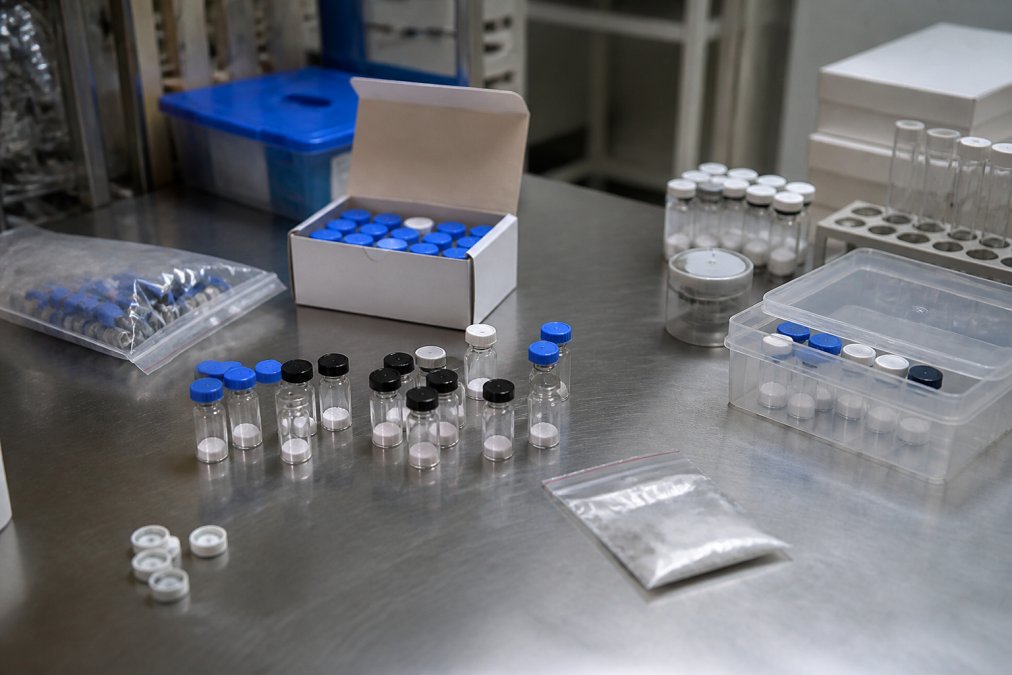
Buying research peptides in bulk isn't just about the lowest price. Supplier evaluation can include documentation and purity verification.
Supplier evaluation can help researchers assess documentation and batch data.
At Globo Research Peptides, every batch ships with full Certificate of Analysis documentation, and every compound is verified to ≥99% HPLC purity through third-party testing.
The key is knowing what to evaluate: purity specifications, batch documentation quality, minimum order quantities, pricing structure, and whether the supplier backs claims with independent verification. Learn how to choose a reliable peptide supplier using a comprehensive vetting framework before committing to bulk orders.
Globo Research Peptides: High-Purity Compounds with Full Documentation
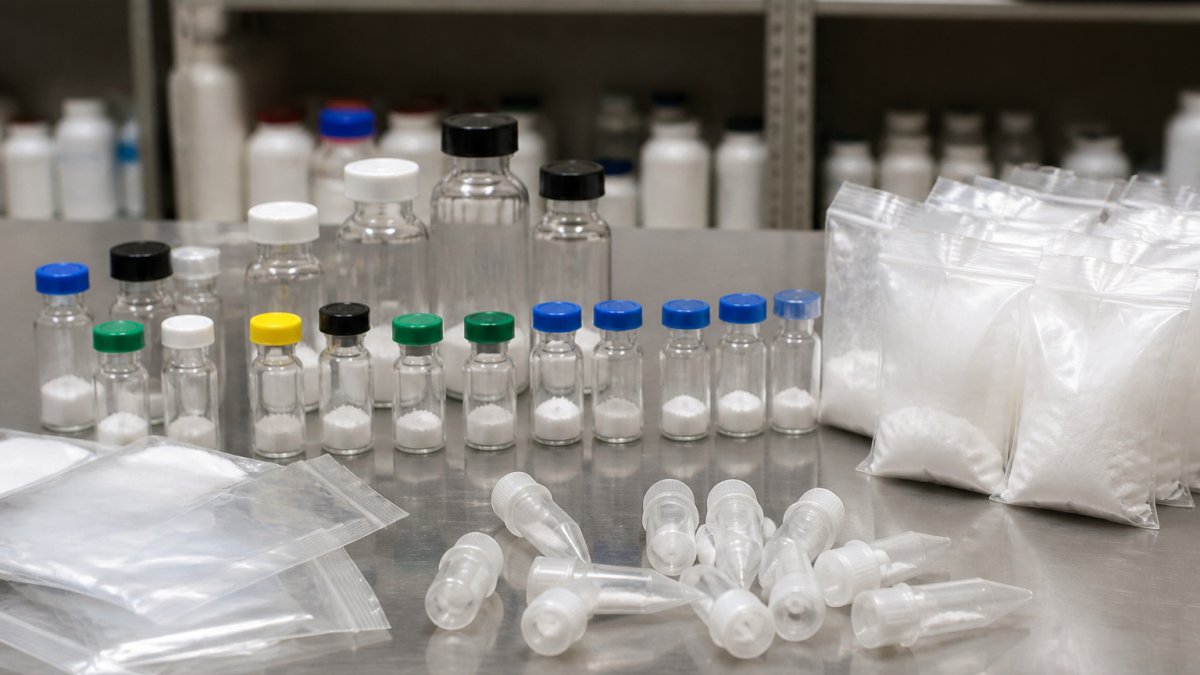
Globo Research Peptides provides research-grade peptides with verified ≥99% HPLC purity and full Certificate of Analysis documentation for every batch.
Globo Research Peptides offers a special-order fulfillment program for unique products and has in-stock inventory ready for immediate dispatch.
Review full COA documentation before ordering.
NuRev Peptides: Dedicated Wholesale Bulk Peptide Platform
NuRev Peptides operates a dedicated wholesale bulk peptide platform targeting researchers and organizations buying in volume, structured around the different needs of bulk buyers versus retail customers.
Wholesale Peptide Supply: Broad Catalog for Research-Grade Compounds
Skip if: You require published documentation standards and third-party testing verification before committing to a supplier.
American Peptides: Third-Party Testing and Flexible Payment Terms
Skip if: You need published pricing and detailed information about which products qualify for same-day service.
Understanding Peptide Certificate of Analysis and Batch Documentation
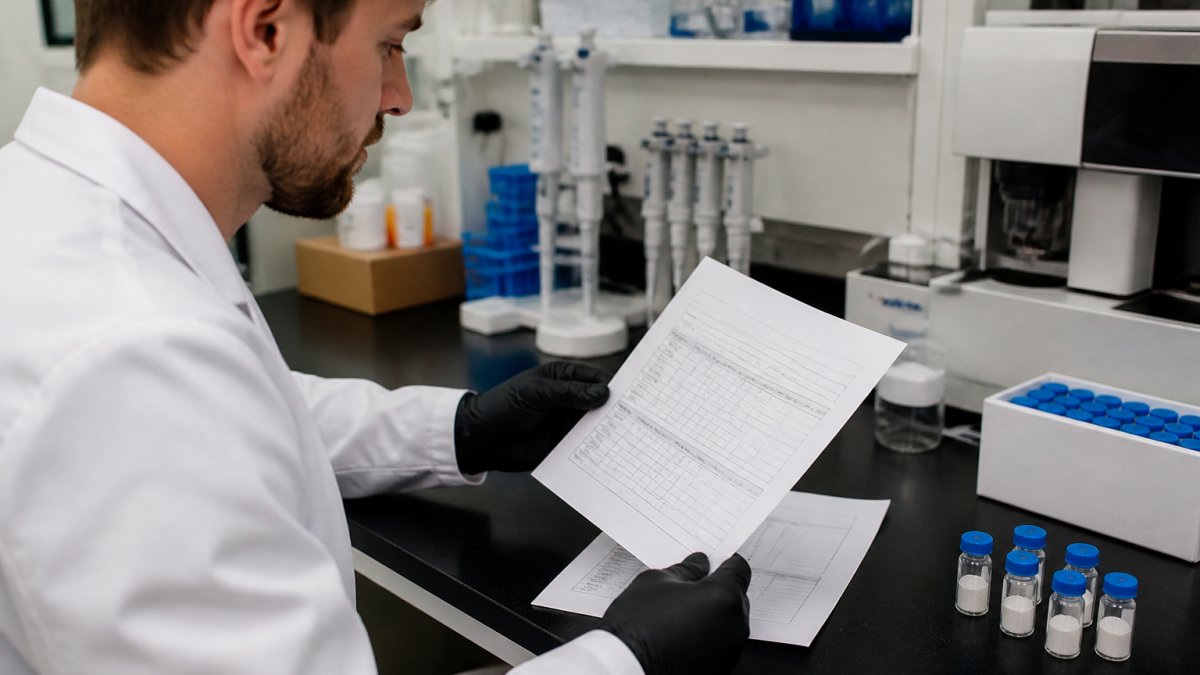
A Certificate of Analysis documents information about a batch. Researchers can review it to assess the supplier's stated purity and quality information.
What a complete COA should contain
When reviewing a COA, consider whether it includes:
A practical verification checklist
When reviewing a batch, consider these checks:
- Match the batch number. The COA batch number must match the vial label exactly. If it does not, the document does not apply to your peptides.
- Confirm the testing date is recent and plausible. A COA dated before the batch was manufactured, or years old, is a problem.
- Check the method. Purity should be stated as an HPLC result. Identity should be confirmed by mass spectrometry. A purity claim with no method is unverifiable.
- Look for the chromatogram or data summary. A real COA shows the analytical result, not just a headline number.
- Identify the lab. An independent third-party lab carries more weight than an in-house result, though in-house testing with full data can still be useful.
- Confirm the compound identity. The compound name and, where available, the molecular weight on the COA should match what you ordered.
Red flags in batch documentation
- COAs that are identical across multiple batches or compounds
- Purity figures with no method, no chromatogram, and no lab name
- No batch number, or a batch number that does not match the vial
- Documentation offered only after purchase, or billed as an add-on
- Testing dates that predate the batch or are implausibly old
- A COA that describes a different compound, quantity, or vial size than you ordered
Keep a documentation chain of custody
Learn how to interpret and verify Certificate of Analysis documentation when evaluating bulk peptide suppliers.
How to Evaluate Bulk Peptide Pricing and Quantity Discounts
Pricing depends on quantity, dates, and delivery. For current prices or a quote, consult Globo Research Peptides' website.
The tier structure you should expect
Quantity discounts typically follow a tiered structure: small quantities (1-5 vials) cost more per unit, medium quantities (10-50 vials) offer moderate discounts, and large quantities (100+ vials) unlock the deepest per-unit pricing. Thresholds vary by supplier and compound, and some peptides command higher base prices. The steepest per-unit drop usually happens between the first and second tier, with diminishing returns beyond that, so 100 vials rarely costs 10x the 10-vial price.
Build a landed-cost worksheet before you compare
| Cost line | What to capture | Why it changes the comparison |
|---|---|---|
| Unit price at your target quantity | Price per vial at 10, 25, 50, and 100 vials | Reveals the real tier curve, not the headline discount |
| Minimum order quantity (MOQ) | Smallest order the supplier will accept | A low MOQ lets you pilot before committing |
| Documentation fee | Is the COA included or billed separately? | Complete documentation should not be a surcharge |
| Shipping and handling | Actual freight for your order size and speed | Can add a meaningful percentage to the total |
| Payment terms | Prepay, Net 15, or Net 30 | Affects cash flow and effective cost of capital |
| Taxes and duties | Any applicable state tax or import fees | Often omitted from quotes and easy to miss |
| Cold-chain or special handling | Ice packs, insulated shippers, expedited delivery | Can be required for some compounds and adds cost |
Normalize the quote before you decide
Ask every supplier for the same four data points at the same quantities: price per vial at 10, 25, 50, and 100 vials; whether the COA is included; the shipping cost to your ZIP code; and the payment terms available. Then compute a simple landed cost per vial: (unit price × quantity + shipping + documentation fees + taxes) ÷ quantity. A supplier with a lower per-vial price but a high MOQ or expensive shipping can lose on landed cost once you do the math.
Watch the hidden cost drivers
- MOQ traps. A supplier with a 50-vial minimum may look cheap per vial but forces you to buy more than your project needs, and unused vials still consume storage and expire.
- Documentation surcharges. If a supplier charges extra for a batch-specific COA, that is a cost line and a red flag; documentation should be standard.
- Shipping speed vs. cost. Expedited cold-chain shipping can rival the peptide cost on small orders. Match shipping speed to your actual timeline, not to habit.
- Payment terms. Net 30 terms effectively finance part of the order; prepay-only suppliers shift that burden to you. Factor the difference into your budget cycle.
Match order size to your research workflow
Discover best practices for sourcing research peptides including cost evaluation and supplier comparison strategies.
Research Peptide Storage and Handling After Delivery
The moment peptides arrive at your lab, they're vulnerable. Improper storage degrades purity and can render a batch unusable, directly impacting research quality and your ability to replicate results.
Learn the best practices for peptide storage in 2026.
Globo Research Peptides provides third-party testing and full Certificate of Analysis documentation for every batch, with verified ≥99% HPLC purity. When you're ready to order, order from Globo Research Peptides.
Frequently Asked Questions
What should I look for when evaluating research peptide suppliers?
Review Certificates of Analysis and assess whether the supplier offers the research compounds you need. You can also request references from other laboratories.
How do I verify a peptide's purity and batch quality?
Review the Certificate of Analysis (COA) for the batch and compare its documented purity against your research requirements.
What does bulk peptide pricing typically depend on?
Pricing depends on quantity, dates, and delivery. Consult Globo Research Peptides' website for current prices or a quote.
How should research peptides be stored after delivery?
Store research-grade peptides in a cool, dry environment, typically between 2-8°C (refrigerated) or at room temperature, depending on the compound's stability. Keep peptides in their original sealed containers away from light and moisture. Many suppliers provide storage instructions with each batch. For long-term storage, some peptides require freezer conditions (-20°C or below). Always follow the supplier's documented storage recommendations included with your Certificate of Analysis.