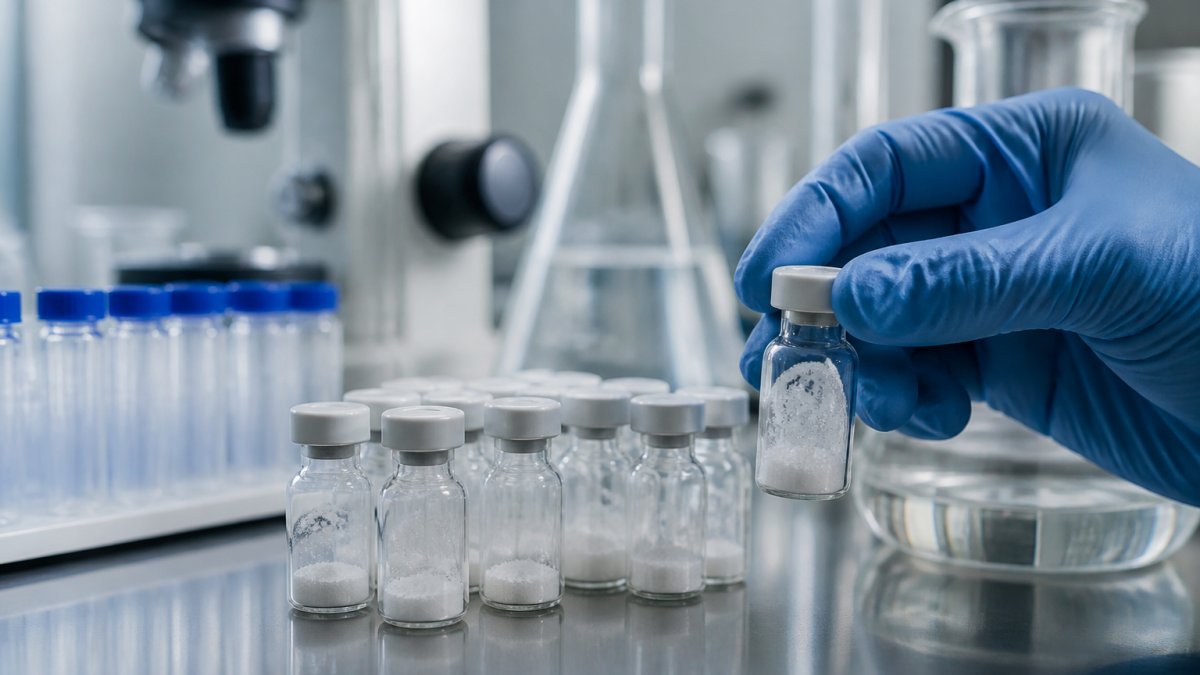
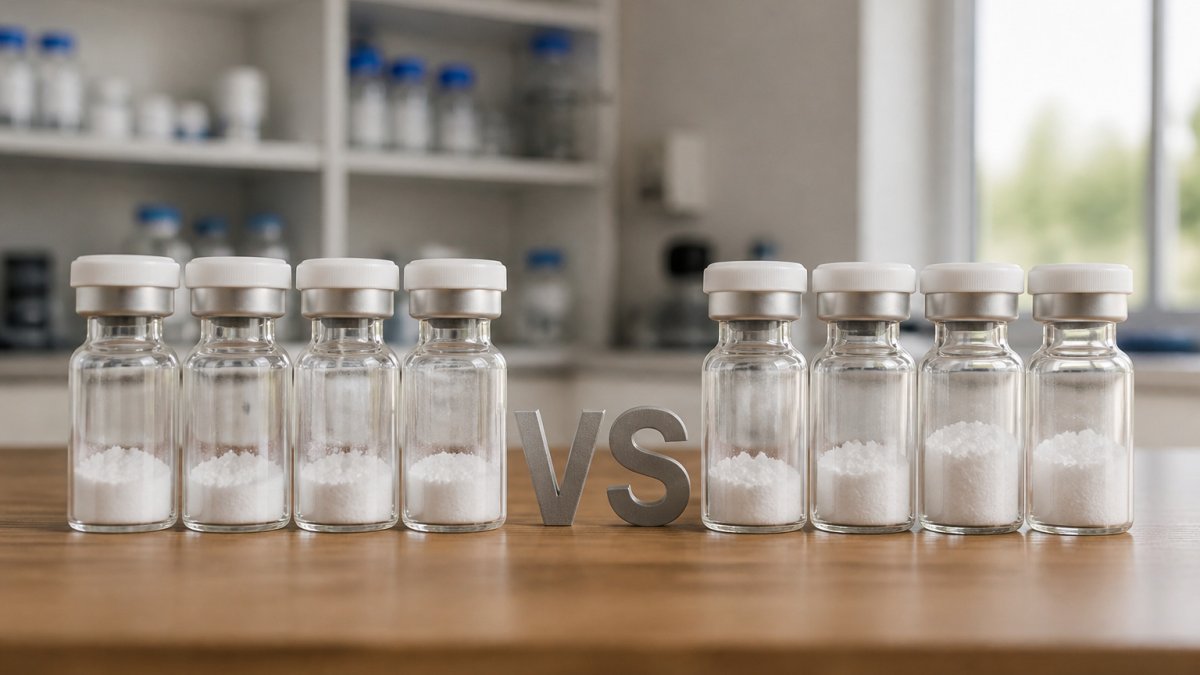
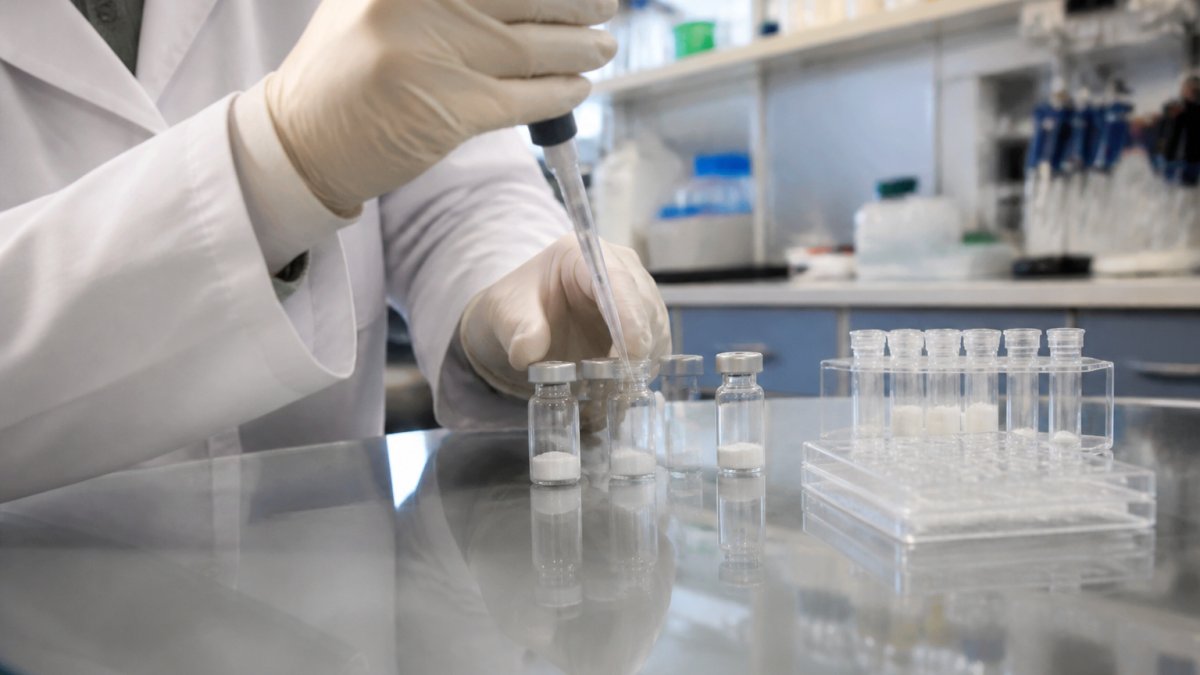
 comparison
Is High Purity Peptide Synthesis Worth the Extra Cost?
Table of Contents
- Why Purity Tiers Change the Price of Peptide Synthesis
- The Real Cost of a Purity Upgrade: Yield, Recovery, and Total Usable Cost
- Peptide Purity Analysis Methods: How Purity Is Actually Measured
- Reading a Peptide Certificate of Analysis Without Getting Fooled
- When 98% Peptide Purity Is Enough (and When It Is Not)
- Comparing Synthesis Quotes: A Transparent Price Breakdown
- Conclusion: Matching Purity to Purpose, Not Prestige
- Frequently Asked Questions
Last Updated: October 9, 2026
Why Purity Tiers Change the Price of Peptide Synthesis
Is high purity peptide synthesis worth the extra cost? For most research applications below 98% purity, the answer is no, but the question is high purity peptide synthesis worth the extra cost only when your assay demands it. The gap between crude and purified material is real, but so is the gap between 95% and 99%. This guide breaks down when the upgrade pays off and when it does not.
Purification is the single largest cost driver in custom peptide synthesis. A crude peptide fresh off the resin contains deletion sequences, truncated fragments, and side products. Each purification step removes more of them, and each step costs money and material.
Crude, Desalted, and HPLC-Purified: What Each Tier Removes
Crude peptide is the raw product after cleavage from the resin. It contains the target sequence plus every failed coupling and side reaction. Purity typically falls between 60% and 80%.
Desalted peptide has salts and small counterions removed, but the peptide mixture itself is unchanged. Desalting is cheap and fast.
HPLC-purified peptide goes through preparative chromatography, which separates the target sequence from closely related impurities. This is where purity climbs toward 95% or 98%.
What Drives Custom Peptide Synthesis Cost
Four factors push custom peptide synthesis cost up or down:
- Sequence length. Longer chains mean more coupling cycles and more chances for error.
- Purity level. Each purification pass adds labor, solvent, and instrument time.
- Scale. Milligram scale costs less per batch than gram scale, but the per-milligram price is higher.
- Sequence complexity. Hydrophobic residues, disulfide bonds, and modifications all complicate synthesis.
According to guidance on peptide synthesis from the NIH, difficult sequences often require special coupling reagents and extended reaction times, both of which raise the final price.
The Real Cost of a Purity Upgrade: Yield, Recovery, and Total Usable Cost
Higher purity shrinks your purified yield. This is the trade-off most quotes hide. When you purify a crude peptide from 70% to 98%, you lose material at every step. Recovery rates drop, and you may need to start with more crude peptide to end up with the same usable amount.
Why Higher Purity Shrinks Your Purified Yield
A crude batch that weighs 100 mg might yield 60 mg at 95% purity. Push to 98% and that same batch might yield 40 mg. The price per milligram of usable peptide rises faster than the quoted price suggests.
This is why total usable cost matters more than quoted price. If you need 50 mg of usable peptide, a lower-yield process may require you to order a larger batch, which erases the savings.
Peptide Purity Analysis Methods: How Purity Is Actually Measured
HPLC and mass spectrometry are the two workhorses of peptide purity analysis methods. HPLC separates components by hydrophobicity and reports purity as a percentage of total peak area. Mass spectrometry confirms molecular weight and catches identity errors that HPLC alone can miss.
A purity number without a method is meaningless. A 98% HPLC purity figure tells you the main peak dominates, but it says nothing about whether that peak is the right sequence. That is what mass spectrometry verifies.
| Method | What It Measures | What It Misses |
|---|---|---|
| HPLC | Purity percentage by peak area | Sequence identity |
| Mass spectrometry | Molecular weight and identity | Purity percentage |
| Amino acid analysis | Composition ratio | Sequence order |
| Sequencing (Edman) | N-terminal sequence | C-terminal and modifications |
Reading a Peptide Certificate of Analysis Without Getting Fooled
A peptide certificate of analysis is only as useful as the data behind it. Look for the method used, the column type, the gradient, and the wavelength. A purity figure with no method details is a marketing claim, not an analytical result.
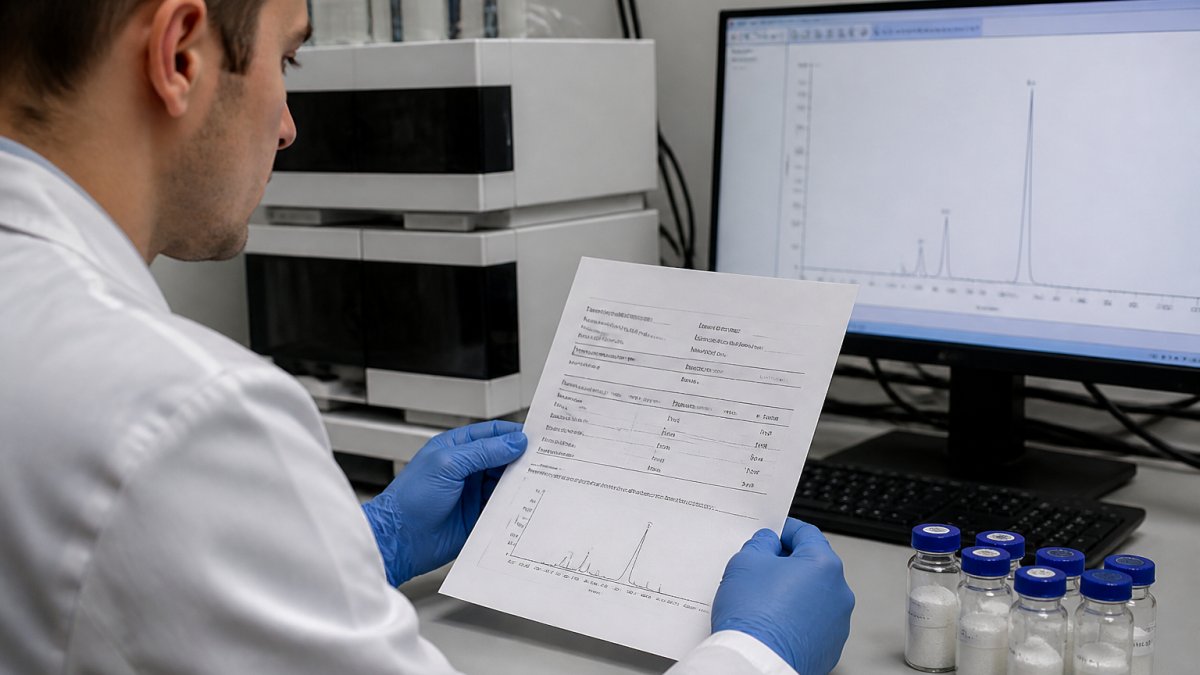
Three things to check on every certificate:
- Retention time and peak shape. A clean, symmetric main peak suggests good separation. A broad or split peak hints at impurities the percentage hides.
- Mass confirmation. The observed mass should match the calculated mass within a tight tolerance.
- Batch number and date. The certificate must match the vial you received.
If documentation does not match your requirements, that is a red flag before the peptide ever hits your bench. Globo Research Peptides provides a full Certificate of Analysis for every batch, with third-party testing by accredited laboratories.
When 98% Peptide Purity Is Enough (and When It Is Not)
For most initial screening and assay development work, 98% peptide purity is sufficient. The remaining 2% is unlikely to interfere with standard binding or activity assays. Going higher rarely changes the result.
The exceptions matter. Receptor binding studies where a minor impurity could bind the same target, and any work where a truncated sequence might show biological activity, demand higher purity. So do studies where experimental reproducibility is critical and trace impurities could shift results between batches.
A Decision Framework by Application
Most suppliers will not tell you this, but the right purity tier depends less on the peptide and more on what you plan to do with it. Use this framework to match purity to purpose:
- Initial screening and rough assays: Crude or desalted is often adequate. If you are testing dozens of sequences for a hit, the cost of purifying each one rarely pays off. A 70% crude peptide still contains the target sequence, and a positive hit will be re-ordered at higher purity anyway.
- Standard in vitro work (ELISA, cell culture, basic binding): 95% to 98% covers most needs. At this tier, the main impurities are deletion sequences that typically do not interfere with the assay's readout.
- Antibody production: 95% or higher is common, but the critical factor is often sequence identity, not just purity percentage. An antibody raised against a 98% pure peptide with the wrong sequence is useless.
- Receptor binding and pharmacokinetic profiling: 98% or higher, with full documentation. Here, a minor impurity that binds the same receptor can skew IC50 values or produce false positives.
- Quantitative analysis (mass spec standards, calibration curves): 99% and above, with mass confirmation. Trace impurities can co-elute and distort quantitation.
- Cell-based experiments where impurities may be cytotoxic: 98% or higher, and consider testing the vehicle control against the impurity profile.
When High Purity Can Be Counterproductive
Extra purification is not always better. In early-stage screening, pushing from 95% to 99% can reduce recovery by 20-30%, meaning you get less material for the same synthesis scale. If your assay tolerates 95% purity, the extra purification adds cost without improving the result. Similarly, for peptides that are inherently difficult to purify (hydrophobic sequences, those prone to aggregation), aggressive purification can lower yield so much that the cost per usable milligram becomes prohibitive.
Comparing Synthesis Quotes: A Transparent Price Breakdown
Quotes are not comparable until you normalize them. Two suppliers can both say "98% purity" and mean very different things about scale, yield, and documentation.
Here is how to make quotes comparable. Ask each supplier for the same four numbers:
- Starting scale (how much crude peptide the synthesis begins with)
- Purified yield (how much finished material you receive)
- Purity method (HPLC, mass spec, or both)
- Documentation (what the certificate includes)
| Supplier Type | Stated Purity | Purified Yield | Documentation |
|---|---|---|---|
| Budget supplier | 95% | Not stated | Purity only |
| Mid-tier supplier | 98% | Partially stated | HPLC only |
| Documentation-focused supplier | ≥99% | Stated per batch | HPLC and mass spec |
The Total Usable Cost Calculation
The quoted price per milligram is almost never the price you actually pay. To compare quotes fairly, calculate the cost per usable milligram at your required purity:
Cost per usable mg = (Quoted price) ÷ (Purified yield in mg × Purity percentage)
For example, suppose you need 50 mg of usable peptide at 98% purity. Supplier A quotes $500 for a synthesis that yields 60 mg at 98% purity. Supplier B quotes $450 for a synthesis that yields 40 mg at 98% purity.
- Supplier A: $500 ÷ (60 mg × 0.98) = $8.50 per usable mg
- Supplier B: $450 ÷ (40 mg × 0.98) = $11.48 per usable mg
Supplier B's lower sticker price actually costs more per usable milligram. This is the calculation most labs skip.
What to Ask Before You Order
- What is the expected purified yield for my specific sequence? Yield varies by sequence length and complexity. A generic yield estimate is not enough.
- Is the purity percentage area-based or weight-based? HPLC purity is typically area-based, which can overstate the actual peptide content.
- Does the certificate include mass confirmation? Without it, you have no evidence the main peak is your sequence.
- What is the batch-to-batch variability? For long-term studies, consistency matters as much as absolute purity.
Conclusion: Matching Purity to Purpose, Not Prestige
The decision comes down to your application, not the prestige of a higher number. For routine work, 98% is plenty. For studies where a trace impurity could change the outcome, the upgrade earns its cost. What never pays off is buying purity you cannot use, or trusting a certificate that does not back up its claims.
Globo Research Peptides supplies research-grade peptides with verified ≥99% HPLC purity, full Certificate of Analysis documentation for every batch, and rigorous third-party testing. Our special-order fulfillment program covers unique compounds, and in-stock inventory is ready for immediate dispatch.
Frequently Asked Questions
What does peptide purity mean on a certificate of analysis?
Purity on a COA is the percentage of the total peak area in an HPLC chromatogram that belongs to your target peptide. The remaining percentage is a mix of deletion sequences, truncated sequences, and side products from synthesis. A 98% peptide purity figure means 2% of the detected material is something other than the intended amino acid sequence. The COA should also list the analysis method, column type, and detection wavelength so you can judge how the number was produced.
How much does it cost to synthesize a peptide?
Custom peptide synthesis cost depends on sequence length, sequence complexity, scale, and purity tier. For current pricing, please refer to our website or request a quote. Longer sequences, hydrophobic residues, disulfide bonds, and non-standard modifications all push the price higher because they lower coupling efficiency and require more purification effort.
Is 98% purity good for peptides?
For most research applications, yes. Initial screening, ELISA development, and general assay work rarely need more than 98% peptide purity because the impurity fraction is too small to shift the result. The exceptions are receptor binding studies, in vivo work, and any assay where a 2% contaminant could mimic or block your target's activity. In those cases, paying for 99% or higher is a reasonable investment in experimental reproducibility.
Does higher peptide purity improve experimental results?
Higher purity removes a source of variability, but it does not fix a flawed assay or poor sequence design. What it does is reduce the chance that an impurity, not your peptide, is driving the observed biological activity. For quantitative work like pharmacokinetic profiling or dose-response curves, that distinction matters. For qualitative work like initial binding screens, the difference between 95% and 99% is often smaller than run-to-run assay noise.
Matching purity to your actual study requirements is harder than it looks, and the wrong choice costs you either money or data. Globo Research Peptides gives you verified ≥99% HPLC purity, complete Certificate of Analysis documentation for every batch, and third-party testing you can point to in your methods section. Order now and get research-grade material with documentation that holds up.